The Long Save Brighton · second playthrough only
A dim room lit by a single monitor, controller resting on a stack of handwritten notebooks

Established 2019 · two writers, no third

We finish the game. Then we finish it again. Then we write.

Most reviews are written somewhere around hour eight, on a build that is about to be patched twice. Ours are written after a full second run on the hardest setting the game offers, from a log kept hour by hour. It is slower. It is also the only way we know to tell you whether a game is still good at hour forty.

The two numbers we care about

The hour it clicked, and the hour it stopped

We do not award scores. A number out of ten compresses forty hours into one digit and then argues about the digit. Instead every playthrough carries two marks on a timeline: the hour the game finally became itself, and the hour it ran out of things to say. Sometimes those are three hours apart. Sometimes the second mark never arrives, and we say so.

Read together, the two marks tell you something a score cannot: how long the good part lasts, and how much patience it costs to reach.

Worked example

A tactics game with a rough opening and a superb mid-game would look like this on our rail.

Hours played · second run

h0h15h30h45h60
hour it clicked hour it stopped

Eleven hours of homework, forty-one hours of the good stuff, then a long quiet tail. Whether that trade is worth it is your decision, not ours — we only promise the numbers are honest.

Recent second runs

Four games we finished twice this season

Every entry below is dated by the day the second playthrough ended, not by release day. Hardware used for each run is listed on the second run page.

High-contrast image of a lone figure on a stone bridge under heavy fog
74 hours across two runs Action · role-playing Second run finished 14 June 2026

A cruel opening that turns generous, if you let it

Hours played · second run

h0h20h40h60h80

The first eight hours are a filter, and a badly explained one. The game withholds the two systems that make it interesting — a stance mechanic and a resource you can bank between attempts — behind a stretch of combat that punishes exactly the instincts it later wants you to abandon. Ottilie bounced off it in 2024 and only came back because the second run was on the schedule.

From hour nine, though, it becomes one of the most patiently designed action games of the last five years. Enemy placement stops being an obstacle course and starts being a series of arguments. On the second run, with the map memorised, the design reads as almost polite: every ambush has a tell you were shown twenty minutes earlier.

Where it thins out

The final region reuses three arenas and pads the route with respawning patrols. By hour seventy-one we were finishing it out of completeness rather than interest, which is exactly what the second mark on the rail is for.

If you can treat the first nine hours as a tuition fee rather than a review, the sixty that follow are worth the invoice.

Reviewed by Ottilie Vance · both runs on the hardest available preset · no code supplied by the publisher
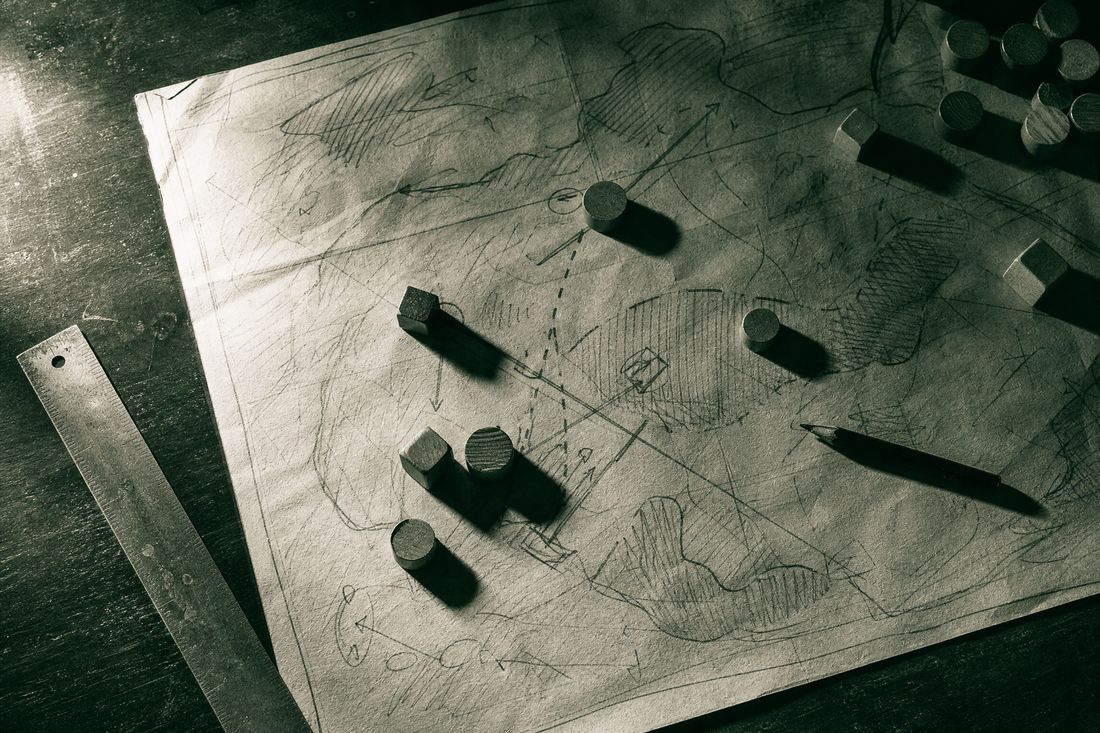
Overhead high-contrast image of a hand-drawn campaign map with pins and string
96 hours across two runs Grand strategy Second run finished 2 May 2026

Brilliant for thirty hours, then it solves itself

Hours played · second run

h0h25h50h75h100

This one clicks almost immediately, which is rare and worth saying plainly. Four hours in you understand the loop, and the loop is excellent: supply lines that cost political capital, and a diplomacy layer where every favour is logged and remembered by the other side. The first thirty hours of a campaign are as good as the genre gets on a laptop.

What the second run exposed is that the economy converges. Once you know the two opening sequences that stabilise your treasury, no later decision can undo them. Rafe played the second campaign deliberately badly to test this, and still could not lose by hour forty. A strategy game that cannot punish you has stopped being a strategy game.

Accessibility notes

Full keyboard navigation, scalable interface text up to 200 per cent, and colour-blind safe faction markers. The tooltip font cannot be enlarged independently, which matters on a small screen.

Buy it for the first thirty hours, which are superb, and expect the campaign to become a formality after that.

Reviewed by Rafe Adeyemi · second campaign played on the highest difficulty with random events forced on

High-contrast corridor lit by a single failing bulb
22 hours across two runs Survival horror Second run finished 28 March 2026

The second run is a different, better game

Hours played · second run

h0h6h12h18h24

Horror is the genre where our method earns its keep. On a first run you are managing panic; on a second you can see the architecture. This one holds up remarkably well: the house is a loop with four shortcuts, and every shortcut is signposted by sound before you ever find it. Knowing where the monster will be does not make it less frightening, because the game is built around the tension of a route you must take anyway.

Only one sequence fails on the second pass — a scripted chase in the third act that cannot be failed and therefore cannot be tense. Everything around it is precise, quiet, and about four hours shorter than the marketing suggests, which is a compliment.

A short, deliberate house that is scarier when you know the floor plan, which is the highest praise this genre can earn.

Reviewed by Ottilie Vance · second run with the optional permadeath setting enabled

High-contrast image of rain on tarmac with blurred taillights
61 hours across two runs Racing simulation Second run finished 19 February 2026

A wet-weather model worth the whole career mode

Hours played · second run

h0h18h35h53h70

The dry handling is competent and unremarkable. The rain is extraordinary. Standing water accumulates in the places it would actually accumulate, and the resulting loss of grip is legible through the wheel rather than announced by an icon. Rafe ran the same wet circuit eleven times on the second pass and got eleven meaningfully different laps.

Career progression is the weak part: a fixed ladder with no room to specialise, and sponsor objectives written as if by a spreadsheet. By hour fifty-eight we were skipping the dry rounds to reach the wet ones, which tells you where the game lives.

Hardware note

Tested with a wheel and with a controller. The controller deadzone is generous by default and worth reducing; on the standard setting the rain model is much harder to feel.

One of the best wet-weather driving models on any platform, bolted to a career mode you will happily ignore.

Reviewed by Rafe Adeyemi · both runs with driving aids disabled

All seven playthroughs in the archive, with genre filtering →

How this desk works

Four rules we have not broken since 2019

01

Finish it. Twice.

No review is published from a partial run. The second playthrough is on the hardest setting the game ships with, and it is the run we take notes from.

02

Log every hour

A paper log, one line per hour, written at the time. The hour marks on our rails come out of that log, not out of memory two weeks later.

03

Buy our own copies

We purchase everything at retail. If a publisher offers early access we decline, because early access means reviewing a build no reader will play.

04

Correct in public

Every factual fix is dated and listed on the write in page. We do not quietly edit a published piece; the change and the reason both stay visible.

High-contrast photograph of a handwritten hour log with pencil ticks

The log

One line per hour, in pencil

Every run is tracked on a paper sheet ruled into hours. The entry is short by design — what changed, what was introduced, what was repeated — because a long note written mid-session is a note written badly.

When a run ends we transcribe the sheet, and the two marks fall out of it almost automatically. The hour it clicked is the first hour where the note stops describing confusion. The hour it stopped is the first of three consecutive hours where the note says only more of the same.

The sheets are kept. If you write in to query a specific claim, we can go back to the line that produced it, which has settled more arguments than any amount of re-playing would.

The full method, including test hardware →

From the postbag

Three questions we are asked most

The opposite, usually. A first run rewards novelty, and novelty is the shortest-lived quality a game has. On a second pass the surprises are spent, so what is left is structure — pacing, repetition, whether the systems still hold when you already know the answers. Plenty of games we enjoyed at hour six did not survive the second look, and that is the point of doing it.

Because a single number hides the shape of the experience. Two games can both be sevens: one is mediocre for forty hours, the other is superb for twelve and empty for twenty-eight. Those are completely different purchases. The two hour marks make the difference visible, and the closing sentence tells you what we would do in your position.

Usually between six weeks and five months. That is late by the standards of the industry and deliberately so: it means we are describing the patched, shipped game rather than a launch build, and it means the hour marks reflect a version you can actually buy today.

Two people read everything

Tell us we are wrong

If a claim in a review does not match your experience, we would rather hear it than not. Every message reaches one of the two of us, and factual corrections are published with the date they were made.

Open the write-in page

Or email [email protected]. We are slow but we do reply.